
Wooden puzzles are marketed as timeless educational toys that build fine motor skills, concentration and problem‑solving. Yet many parents face the same frustrating situation: you buy a beautiful high‑quality wooden puzzle for your child, they show excitement for two minutes, then quickly walk away, throw pieces or burst into tears mid‑play. It is rarely the puzzle itself to blame. More often, it comes down to mismatched difficulty, wrong parent intervention or limited play imagination.
This article explores the real reasons kids lose interest in wooden puzzles, shares age‑by‑age play strategies, creative alternative activities beyond “finishing the whole puzzle”, and simple ways to foster patience and confidence during puzzle time. It works for regular wooden jigsaw puzzles, peg inset puzzles, as well as magnetic wooden puzzle sets for toddlers and preschoolers.
Table of Contents
1. Common Reasons Kids Abandon Wooden Puzzles
2. Age‑Based Play Guidance (1‑3, 3‑6, 6‑12)
3. Creative Ways to Play Wooden Puzzles (No Need to Fully Complete)
4. Parent Mistakes That Kill Kids’ Puzzle Motivation
5. Small Troubleshooting: Frustration, Broken Pieces & Magnetic Set Checks
6. Final Tips
7. FAQs
Common Reasons Kids Abandon Wooden Puzzles
1. Mismatched difficulty level
A puzzle labeled for age 3‑5 does not fit every 3‑year‑old. If pieces are too many or patterns are overly complex, repeated failure triggers frustration, and kids give up to avoid bad feelings.
2. Too much adult help
Parents frequently step in to place pieces for children. Kids do not get the chance to experience small wins by themselves. Soon they will only play when grown‑ups do all the hard work.
3. Limited imagination: “must finish the whole puzzle”
Many families treat puzzles as a task to be completed. Once kids feel tired, they quit. Puzzles can serve many playful purposes other than 100% completion.
4. Distraction and over‑stimulation
Too many toys spread across the play space make sustained focus impossible, even with high‑quality wooden puzzles.
5. Physical discomfort
Rough burrs, overly‑tight interlocking pieces, or heavy oversized tiles create unpleasant tactile feedback, especially for toddlers with sensitive hands.
Age‑Based Play Guidance (1‑3, 3‑6, 6‑12)
Toddlers 1‑3 years old
Goal: small wins, sensory experience, not long‑time focus.
• Short play sessions: 3‑8 minutes is totally enough. Do not push for longer sitting time.
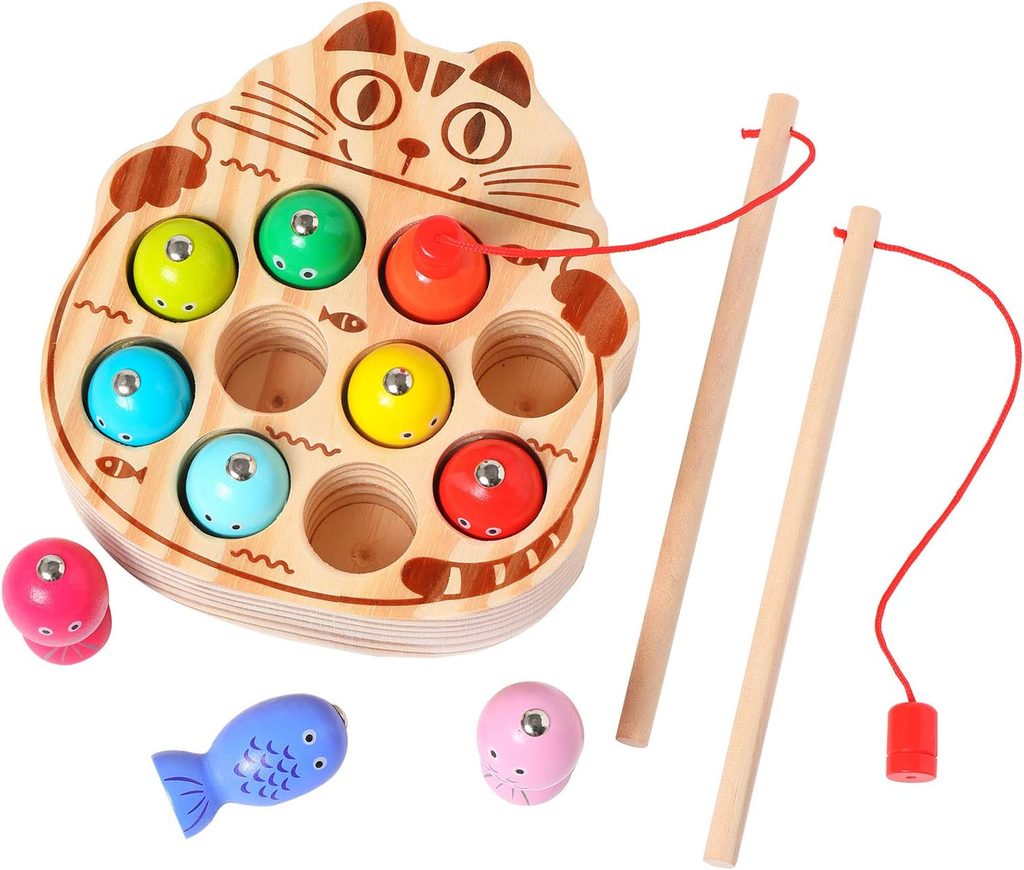
• Start with peg inset puzzles and large‑piece shape‑matching wooden puzzles. Magnetic wooden peg puzzles work great here, since pieces stay attached without sliding away.
• Focus practice: grabbing, removing and putting back pieces, rather than perfect matching. Celebrate tiny progress.
Preschoolers 3‑6 years old
Goal: build patience, introduce simple problem‑solving.
• Session length: 10‑20 minutes. Stop before the child gets upset.
• For jigsaw wooden puzzles: teach sorting skills: separate edge pieces first, group pieces by color or theme.
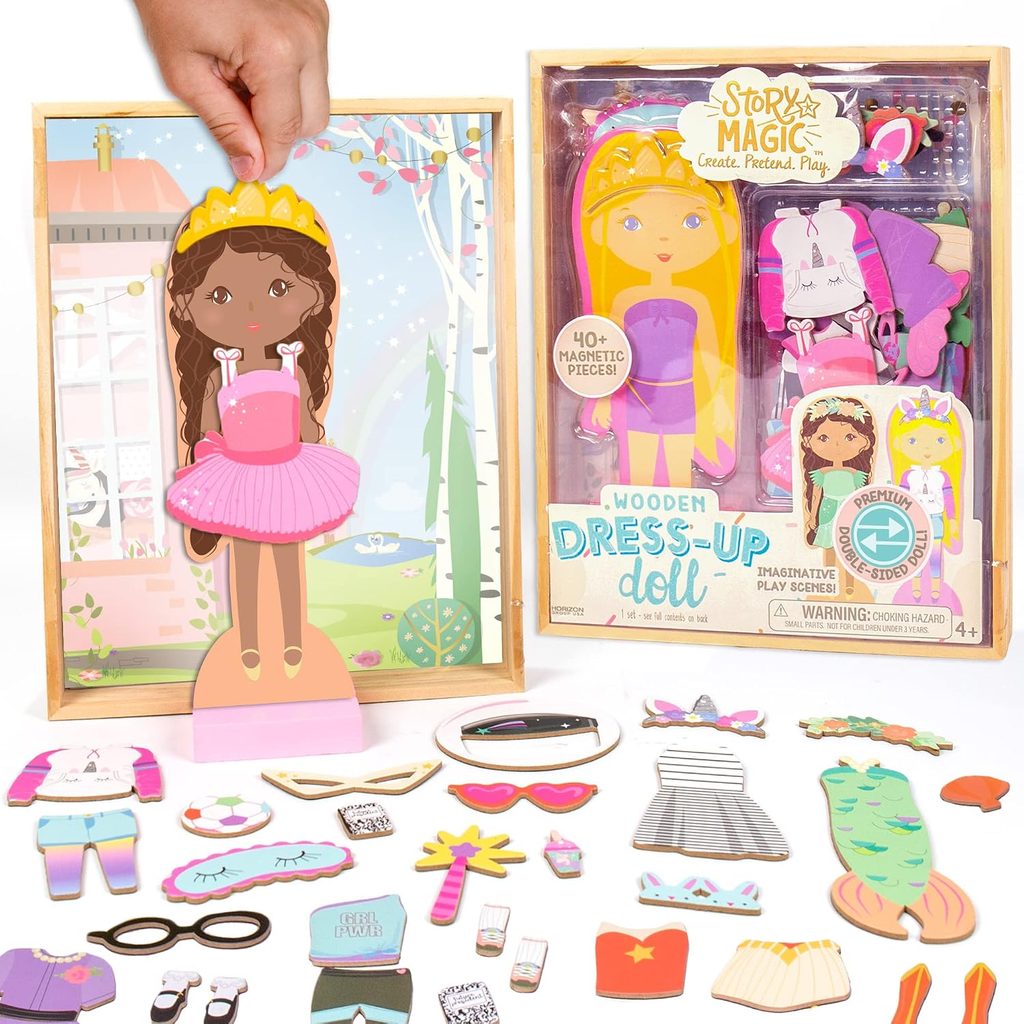
• Magnetic scene wooden puzzles are ideal for group play: kids can rearrange stories instead of finishing one fixed picture.
School‑age Kids 6‑12 years old
Goal: challenge, independent thinking and co‑operative play.
• Kids can handle longer sessions, but still allow breaks when stuck.
• Encourage self‑troubleshooting: observe patterns, test piece positions, instead of calling adults immediately.
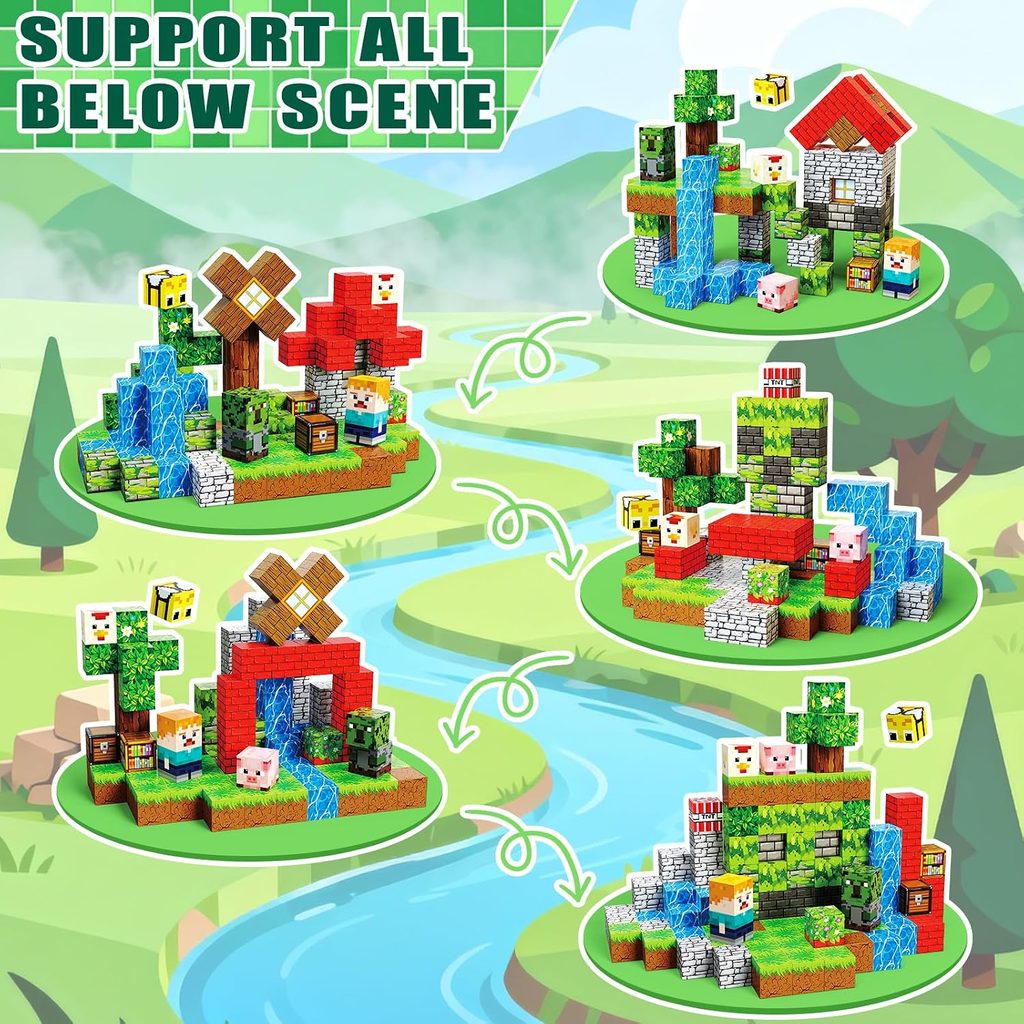
• Invite siblings to work together on one large wooden puzzle, practicing communication and turn‑taking.
Creative Ways to Play Wooden Puzzles (No Need to Fully Complete)
You do not always need to assemble the whole puzzle to gain educational value. Try these low‑pressure activities:
1. Story‑telling game: Take pieces out, make‑up stories based on animals, vehicles or characters on puzzle tiles.
2. Sorting challenge: Sort all pieces by color, shape or theme. Good quiet‑time calm‑down activity.
3. Reverse puzzle play: Take apart an already‑finished puzzle slowly. Great for fine‑motor training.
4. Imaginative props: Use wooden puzzle pieces as small toys for doll play or small‑world scene building.
5. Co‑op team mode: Two kids work together; one picks pieces, the other places them. Builds cooperation skills.
For magnetic wooden puzzles: children can rearrange scenes endlessly on the wooden base board, without pressure to reach one “correct final picture”.
Parent Mistakes That Kill Kids’ Puzzle Motivation
1. Constantly correcting: “No, that piece does not go there.” Frequent correction destroys confidence.
2. Finishing puzzles for your kid when they feel stuck.
3. Forcing playtime: “Sit here and finish this puzzle.” Turn play into homework.
4. Offering too many puzzle sets out at once. Keep only 1‑2 puzzles accessible, store others away and rotate them.
Small Troubleshooting: Frustration, Broken Pieces & Magnetic Set Checks
• If your kid gets angry: pause the activity instead of pushing through. Come back later.
• Inspect wooden pieces regularly: watch for wood splinters, cracks.
• For magnetic wooden puzzles: Shake tiles occasionally. Rattling sound means magnets may become loose. Stop using immediately if wood shell cracks.
Final Tips
Wooden puzzles shine as low‑screen educational tools, yet completion is not the main target. What truly matters are small wins, hand‑eye practice and joyful play experience. Match expectations to your child’s real skill level, rotate puzzle selections, and try varied creative games beyond full assembly. Even short, happy puzzle sessions deliver developmental benefits.
FAQs
Q: My toddler never stays more than 5 minutes on wooden puzzles. Is this normal?
A: Yes. Short attention span is typical for 1‑3‑year‑olds. Success is measured by engagement, not how long they sit.
Q: Should I help my kid when they cannot find the right puzzle spot?
A: Demonstrate searching strategies (sort by color, look at details) rather than directly putting pieces into position.
Q: Are magnetic wooden puzzles better for kids who easily give up?
A: Magnetic designs reduce frustration from pieces slipping or falling apart. This makes them a good fit for easily‑discouraged younger children. Always verify magnet sealing safety before play.
Q: What if one puzzle piece gets lost?
A: Repurpose remaining pieces for sorting or story‑telling games. You do not need to throw away the whole set just for one missing tile.